Product Description
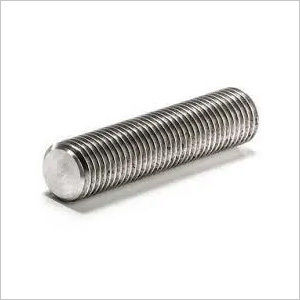
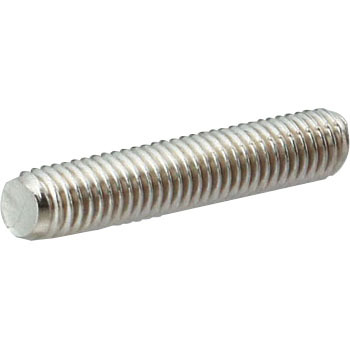
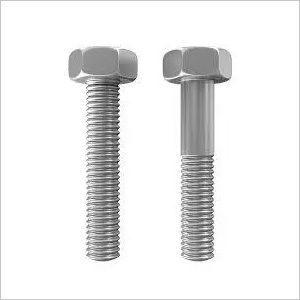
Our company offers top-grade Threaded Stud that is used to join two threaded blocks to ensure proper alignment and rigidity within the structure. This cylindrical fastener is provided with threads all over its length and does not have a hexagonal thread at its end. It is manufactured by using highly tensile alloyed steel that imparts high strength and robustness that makes it capable to bear extreme loads. Threaded Stud offered by us is available in different lengths and diameters as per customer requirements.
Technical Specification
| Standard | DIN 916 |
| Size | M5 |
| Material | Steel |
| Surface Treatment | Polished |
| Packaging Type | Box Or Pouch |
| Brand | Fetedz |
Engineered for Precision and StrengthOur threaded studs are fabricated using advanced machinery and rigorous quality control to ensure dimensional accuracy and consistent performance. With precise threading and optional heat treatment (quenched and tempered), they deliver exceptional strength, meeting diverse industrial application requirements with reliability.
Versatile Material and Finish SelectionChoose from carbon steel, stainless steel, or alloy steel, each offering distinct properties for various operational settings. The studs come in finishes such as zinc plating, black oxide, hot dip galvanized, or plain, ensuring durability even in corrosive environments. Customization on dimensions and packing suits project-specific needs.
Ideal for Multiple Industries and ApplicationsThreaded studs are the backbone of the construction, automotive, petrochemical, and engineering sectors. Their robust design, variable grades (A2-70, B7, 4.6, 8.8, 10.9, 12.9), and full threading capability allow for secure connections and long-term use in machinery assembly, frameworks, and critical applications.
FAQs of Threaded Stud:
Q: How are your threaded studs manufactured to ensure quality and precision?
A: Our threaded studs are produced using stringent quality processes, including precise machining, heat treatment, and thorough inspections to meet ISO 2768-m tolerance and international standards (DIN 975, ASTM A193, ISO 898-1). This ensures high strength, consistent dimensions, and reliable performance.
Q: What surface treatments are available, and how do they benefit the studs?
A: You can select from zinc plating, black oxide, hot dip galvanizing, or a plain finish. These treatments enhance the bolts corrosion resistance, extending their service life in harsh environments such as construction sites or chemical plants.
Q: When should I choose threaded studs made from stainless steel over carbon steel?
A: Stainless steel studs are ideal for environments where high corrosion resistance is essential, such as petrochemical plants or marine applications. Carbon steel offers cost-effectiveness and strength for general engineering or construction use where corrosion exposure is limited.
Q: Where can these threaded studs be applied, and in what industries?
A: These studs are widely used in engineering, construction, petrochemical, and automotive sectors, suitable for tasks such as machinery assembly, structural connections, and critical load-bearing joints. Their versatility makes them essential across multiple industries.
Q: What is the process for customizing dimensions or grades for a specific project?
A: Simply provide your required specifications for diameter, length, grade, and surface treatment. We manufacture the studs to order, packing them per your preference (carton box, gunny bag, or customized). This ensures each batch fits your unique application needs precisely.
Q: How does full threading improve the utility of these studs?
A: Full threading allows for secure and adjustable fastening along the entire length of the stud, providing maximum grip and load distribution when joining materials in construction, machinery, or automotive settings.
Q: What are the main benefits of using your threaded studs for high-strength applications?
A: With tensile strengths up to 1250 MPa (depending on grade), precise threading, and quality heat treatment, our studs ensure durable, high-strength connections. They enhance structural stability, resist corrosion, and adapt easily to customized requirements.







 Send Inquiry



